Growing Sprouting Seeds

Watercress

Watercress


One of the delights of cooking is the ability to add your own homegrown ingredients. Nothing more so if you think you need green fingers to do so. Growing seeds for eating and being able to harvest them with in a week is within the grasp of anyone with a windowsill! The modern need for fresh eating has made this possible.

Watercress is one of the easy grown herbs or salad plants that can be grown this way. We pick this from a nearby flowing stream if the livestock have not beaten us to it! It grows very quickly and easily and in the wrong place a weed. The peppery flavours of the leaves are particularly nice in sandwiches. Watercress is a relative of the cabbage or Brassica family with genetic links to radish and mustard.
While the cress we pick grows big, in some cases over a metre in length, we never pick it if its flowering as the taste is too bitter. The beauty of growing your own on a windowsill
is any one can do it as seeds will grow in pots that just stand in water. Cut it at the size you want. Watercress is reputed to have many benefits including anti cancer properties,
as well as containing calcium, iodine, and folic acid so it is well worth including in the daily diet if possible

Mustard is another salad leaf growing quickly and easily at any time of the year. Mustard has been around for thousands of years and mentioned in the Bible.
Grow mustard seeds in a seed raising mix. Spread the seed out and cover with the soil mix and water gently. Keep seeds moist and the seedlings will normally appear within a week depending on conditions and warmth, earlier or later.
They can be cut at any size but leaving the seedlings to grow for three or four weeks until they reach 10-15 cm high, will provide a better return for your efforts and bigger sandwiches! Sow mustard seeds successively at two to three week intervals so you have an ongoing supply.

Rocket lettuce or herbs are another quickly grown green. Like both Mustard and Watercress has a peppery taste. It is best to eat just a few weeks from sowing as it grows so fast the leaves take on a bitter taste if they grow old. Grow it quickly with plenty of water, and sow successively for a continuing supply.
Enjoy your homegrown greens, they are worth it!

Posted in Sprouting seeds | Tagged , , , | Leave a comment

Hot or Sweet Peppers?

Capsicums

Capsicums

Capsicums and Chillies are the well-known peppers. The difference is that some are sweet peppers, the other hot peppers! Some of the small hot peppers can easily be grown in containers as houseplants, the fruit taking the starring role instead of flowers. They are a heat loving plant and grow well in warm climates or cooler places in a heated environment like a glasshouse or sunny conservatory.

Growing capsicum or Chillies is easy from seed. Choose the seeds that you require whether it is the sweet or hot peppers. The seeds chosen will respond in the same way. The windows of opportunity for growing the seeds is a small one and to get the best results, start growing your seedlings a month or six weeks before they are planted in their final place whether in a container or garden. Depending on your family’s requirements, four to six plants will supply enough peppers for an ordinary family. Capsicum plants are also available from nurseries if you cannot be bothered with growing from seeds. Just make sure they are healthy and not root bound. Once seedlings reach about four inches in height, transplant them into to bigger pots for growing on. Plants have a reasonably deep root system, so they need regular and good watering.

Capsicums like most plants benefit from manure or compost worked into the soil or mix. Plant in a 35-40 cm diameter container or pot for growing on a patio or deck. Do not overdo the nitrogen-based fertilizer initially as all you will get are leaves and green growth. Once flowering and fruiting appear then is the time to sprinkle some high nitrogen general fertilizer around the plant. Peppers are really nice plants to have on display. Capsicum that you have planted in the spring will start to bear fruit in mid summer and continue having fruit until the onset of the colder weather.

Peppers can be picked at any time you consider they are big enough or suitable for your purposes. When you have just a few plants, cut the fruit from the plant as pulling them may break the branches. Like beans, the more you pick them the higher the fruit production will be. The common bell shaped varieties can be left on the plant until they change color be it yellow or even longer red. Pick the Chillies once they reach 7-10 cm long. Pick these when they are young for the freshest taste, but if you choose, leave them to shrivel up and then grind for use as an ingredient for spicy cooking!

If you have a creative side, make ornamental decorations of the peppers by threading on a string or displaying them.
Capsicums are usually trouble free and easy to grow; we used to grow acres of them!
The things that are likely to affect them are mostly of the insect variety. Amongst them are aphids, white fly, caterpillars and the green vegetable bug. Sprays suitable for the purpose control these, most of the sprays used do not have a long withholding period so the fruit can be eaten safely if you know how long the required time is.

Peppers can be frozen quickly from fresh with out prior preparation, apart from removing the seeds. This is fine for using as a casserole or added to soups. Done like this the pepper is not suitable for use as fresh in a salad.

Posted in Capsicums, Pot Plants, Vegetables | Tagged , , , , , , | Leave a comment

Soothing Chamomile

Chamomile and Tea

Chamomile and Tea

As I have gotten older, I have discovered a new respect for the old remedies and healing ways of past generations. Those of who never knew the advantages of the health providers, the modern world enjoys today. Even in some of the poorer parts of the world, traditional medicine is practiced still, using herbs and garden plants. One of those plants that achieved its own niche in the daily health of our forebears is chamomile. This little herbs history goes back to the Greeks, the Egyptians, and the early Anglo Saxons. They considered it as useful in lowering fevers, and for its calming effects.
Growing chamomile is easy. The plant likes growing in the full sun in a light free draining soil. Growing it in pots or containers requires a similar soil mix. If you wish to propagate ,your plants to either sell or like most gardeners, give them away. You can grow them either from seed, cuttings or division. The small beige colored seeds are sown in spring. The existing plants can be divided in springtime. Take cuttings from some of the side shoots over the summer months. Plants that are growing in pots, like most plants, need to be raised off the ground to stop the potting mix from becoming waterlogged and consequently rotting roots of the incumbent plant.
There are many varieties of chamomile but the most commonly used ones are, Flore-pleno, Treneague, Matricaria recutia(German) or the Chamaemelum nobile (Roman).The low growing form of Flore-pleno has double flowers, while Treneague is used for lawns. Neither of these forms produces the flowers that are used for chamomile tea. Give plants, both in the garden and pots a liquid fertilizer drink every six weeks or so. Chamomile is a hardy plant and not too fussy about the temperatures it grows in. When chamomile is grown as a lawn or in pathway, the herb gives off a perfume similar to that of an apple.
When picking for use as an herb the leaves can be picked at any time of the day, while the flowers are picked when they are fully open and preferably in the morning after any dew has gone. Using the Nobile or the recutita make them into teas by infusion. Achieve this by pouring boiling water over the flowers and leaving them to soak for at least half an hour. This can be used for as a relaxant or sedative for both adults and children.
Drying the plant, both flowers and leaves, allows you to use them in pot pourri or in sachets for placing in clothing drawers, or bedding. Chamomile tea is readily available from supermarkets, health shops and pharmacies if you just want the easy way out! Try using the (squeezed) teabags for resting on closed eyelids for some eye relief. While generally an easy plant to use, be aware that if over used, it may cause dizziness or vomiting. Some people may also get dermatitis from touching the plant as well.

Posted in Pot Plants | Tagged , , , , | Leave a comment

Growing Blueberries is Easy in Containers

Healthy Blueberries

Healthy Blueberries

Blueberries are considered in today’s health conscious world, a great food for healthy eating, and its ability to supply essential vitamins and antioxidants high on the list of essential foods. They are the perfect little plants for growing on a balcony or patio, or their alter ego that grows between .50cm -5m high in an out door situation. The blueberry predominately found in the north Americas, but are now grown commercially and domestically in the southern hemisphere countries of Australia, Argentina and New Zealand

Blueberries are acid soil loving plants and will grow in a peat based soil mix.
Choosing the right plant for your garden or growing situation will help in the successful cultivation of your blueberry. The three main types are the high bush with its growth reaching up to 4 meters, the rabbit eye reaching 5-6 meters and the low bush a dainty 50cm. All the varieties need a winter chilling, but both the rabbit eye and low bush varieties can stand a slightly warmer clime.

All blueberries need an acid soil with a soil ph of around 4-4.5. They thrive in well-drained rich soils. If you need to acidify your soil, the addition of ammonium sulphate would be required. Ask your nurseryman in your area for a more informed opinion.
Blueberry plants are best propogated from cuttings as seeds can be hit and miss. The cuttings taking up to two years to be ready for planting into their permanent positions.
Plant blueberries in groups with suggested space between them of 1.5 x2.5 meters. As birds are also partial to them, planting in groups lightens the problem but does not stop it.
Commercial growers cover their crops with netting, so you may like to use that option if you want to have a good crop.

Blueberries will provide their famous berries with out cross-pollination but crop production is much improved by the addition of another plant or two, preferably a different variety in close vicinity. The roots of the blueberry are shallow, so take care when cultivating or weeding near the plants. After fertilizing in the beginning of the season, cover the roots with mulch to assist in keeping the roots cool and moist. Pruning the plants will become necessary after three or four years, as fruiting occurs on the previous season’s growth. It will pay to cut back the oldest branches hard to encourage new growth.

The health benefits of blueberries include fiber, antioxidants, vitamins, particularly vitamins C, A and E. When buying the berries make sure they are firm with good coloring from a deep purple to nearly black. Eat them fresh, refrigerate in a plastic container for using in a day or two, or freeze loose on trays to package and keep frozen for later use. Freezing them loose means they will free flow when needed.

Posted in Fruit, Pot Plants | Tagged , , , , | Leave a comment

Rhubarb for Something Different

Rhubarb

Rhubarb

This old-fashioned fruit is making a comeback in today’s culinary world. Easily grown with an interesting growth habit it adds a distinctive presence in the garden.
Its preferred habitat is a cooler climate as it does not handle heat very well, but manages quite heavy frosts.
The earliest references to Rhubarb are from Chinese manuscripts over 2,000 years ago they use the root for medicinal purposes. The English have been using it since the sixteenth century also for medicinal purposes. There is an oldwives remedy of burying a rhubarb stalk next to cabbages in the garden. It is said to assist in the prevention of club root in cabbage plants.

While rhubarb is available to grow from seeds, the plants are mostly acquired from sets. Rhubarb is grown from sets, which means the plant can be divided from a single root. You dig the main root out of the ground and then with a knife cut into the sections that you want. Do make sure there is a bud or growing head on the individual pieces that you slice off the root. This is best done in either late winter or early spring Plant your new plants into well-fertilized and drained site in your garden. The plant will tolerate some shade but does best in a mostly sunny site in the garden. When you first plant Rhubarb in the garden, it is wise to consider giving it a place that you can leave it to grow on for several years.

Grow Rhubarb in containers as well; they are very handy to have on a balcony or deck if you do not have a garden. Growing rhubarb in pots allows you to stand the containers in a little shade, if you need to protect them from strong winds. The large leaves of the plant mean it is susceptible to being blown over by the wind. In containers, you can move the rhubarb into the sun if you feel like it. Water rhubarb frequently whether it is in the garden or pots.For the best results, give all plants a liquid fertilizer or nitrogen based granular fertilizer every four to six weeks. Do this during the main growing season.

Picking the stalks is done correctly if you twist and peel the stalk from the bottom of the plant, not unalike silver beet. This leaves the new growth to grow on from the centre of the plant. To prepare the stalks for cooking it is imperative the leaves are removed from the stalk. Avoid using stalks that are soft or the leaves of them drooping or not in a healthy state. The leaves are poisonous to human beings but it is all right to compost them. Keep the prepared stalks in the fridge until you need them, as they store well. The color of the stalks is immaterial and does not affect the taste.

The rhubarb is a reasonably hardy plant but is prone to some of the usual pests in the garden, like caterpillars, slugs and snails.
Rhubarb is prepared for the table by slicing and dicing the stalks and stewing for use as a dessert, or in pies. The rhubarb will need sugar to lessen the tart taste but that is a personal preference. It is a good fruit to use as a ‘crumble dessert’.

Posted in Fruit, Pot Plants | Tagged , , | Leave a comment

Heavenly Hyacinths

Beautiful Hyacinths

Beautiful Hyacinths

Hyacinths are my most loved bulbs. Each year I look forward to growing and enjoying them while they flower. Their scent pervades the house from their containers; plant them on the balcony to captivate as we pass through to the garden. Originating from the Mediterranean and western Asia, the ones we see today are developed in Holland.
The Dutch hybrids have a single flower. The smaller bulbs are great for planting in gardens as their flowers are smaller so are able to withstand weather conditions. They do grow better in the cooler climates. When you grow them outside, they prefer a well-drained and sunny position. Given time, hyacinths multiply and enhance your garden, mixed in with jonquils a pretty picture.

Who can resist the first of the early or forced hyacinths when yours are just greening up in the garden? It is cheating but what does it matter, because we get a prolonged enjoyment from this bulb. The forced bulbs from shops and nurseries are especially grown for indoor use so if you have bought a pot of the hyacinths; keep them in a cool sunny spot. They tend to fade quickly if they get too hot. When they have finished flowering plant them outside in the garden and forget about them. In the right place, they will pop up again next year. They appreciate a little blood and bone as well.

Growing your own bulbs could not be easier. Choose well-grown bulbs that are free from signs of rot (soft to a gentle squeeze), mould, and gouges. If you are buying one of the string bags with a number of bulbs, look closely and feel as any as you are able. I have found buying them like this there will always be some that are not up to scratch.
The smaller bulbs also will grow as well as some of the bigger bulbs.

Each year I store bulbs from the garden in a cool room for the next season. One of my grandchildren wanted to know why I had my onions stored here! She now knows that onions and bulbs are two different things. Then approximately six weeks before planting, I put them in the chiller bin in the refrigerator to chill down. This misleads the bulbs into thinking that winter is just around the corner and its time to get growing.

Plant your bulbs in the garden between four and six inches deep and the same distance apart. Plant those for growing in pots and containers, just to their necks, and reduce the space between them. Hyacinths grown for children’s interest are grown in bulb pots. These are jars with a specially designed cup at the top of the jar. This allows the bulb to sit in the top and send its roots into the water. If you grow them like this, do not leave the base of the bulb in the water as it will rot and spoil your efforts.

Increasing your stash of bulbs could not be simpler. After the leaves and flowers have died off, you will find the bulb has what are called off sets, small attachments to the main bulb. These can be removed and grown on. Grow hyacinths from seed if you have the patience, as they will take up to three years to flower. Enjoy these wonderful flowers if you have not already done so.

Posted in Flowers | Tagged , , , | Leave a comment

Easy Beans in Containers

Beans

Beans

Beans are tasty vegetables to have in the garden or grow bags if you choose. Easy to grow given the right conditions to do so. There are four types of beans to choose from that will benefit your garden whether it be large or small. Beans are wonderfully easy to freeze, and as they are usually prolific providers, there is always more than enough and some left over for family meals.

The four types are
Runner beans. These are easy to grow and do well climbing up a support for that purpose. Ideal for the smaller garden they take up very little space. Plant the runner beans in full sun with some shelter from winds. These beans are perennial which means after they have produced their beans in the summer they will die back but regrow in the next season.
Broad beans.
Can handle the colder weather, and grow easily in most garden soils especially if it is sunny. These beans grow to about a metre tall and may need staking to assist them to remain upright. This depends on the variety of course, as they do vary in height. Plant these beans once the summer varieties are finished and there is space in the garden.
Dwarf French beans
These little guys grow into small bushes and can be superb croppers depending again on the variety planted. French beans are usually stringless and taste good. Give them a well manured/fertilized soil and a sunny spot in the garden, and you will be well rewarded.
Climbing French beans
These bean flowers set with out the presence of bees for pollination. In addition, it makes the appearance of beans more reliable than those of the Scarlet runners do. Great for flavour these beans continue producing after the dwarf beans have finished.

All beans need the same soil preparation in order to produce well. They grow better on well-drained soils and appreciate compost and fertilizer. Mulching over the hot weather, avoiding the stems, will help preserve the moisture and encourage continuing growth.
As I mentioned previously, protect beans from winds because strong winds can seriously spoil them. Dwarf beans are generally ready to pick six or eight weeks after sowing the seed, where the climbers may take up to ten or twelve weeks.

Grow climbing beans on a trellis, or wall that you have attached some wire or string. This allows the beans to have support while they are climbing. A wigwam arrangement is also successful where several tall bamboo stakes or poles are tied in such a manner to look like a teepee or wigwam. Using this sytstem in large containers makes growing climbing beans very feasible for growing beans on a balcony. Planting two or three seeds at the base of the stakes allows the beans to climb with support.

Harvesting of your beans should take place every day as frequent picking encourages more beans from the plant. Freeze those that are not required by slicing, blanching in boiling water for a couple of minutes and quickly chilling down. Lay on flat trays to freeze quickly. Laying them out on trays enables them to be free flowing once bagged. Don’t leave them after they are frozen on the trays because they will get burnt by the freezer and spoil.
You then take what you need when you need some home grown vegetables over the winter months.

Posted in Beans, Vegetables | Tagged , , , , , , | 1 Comment

Raising Container Carrots

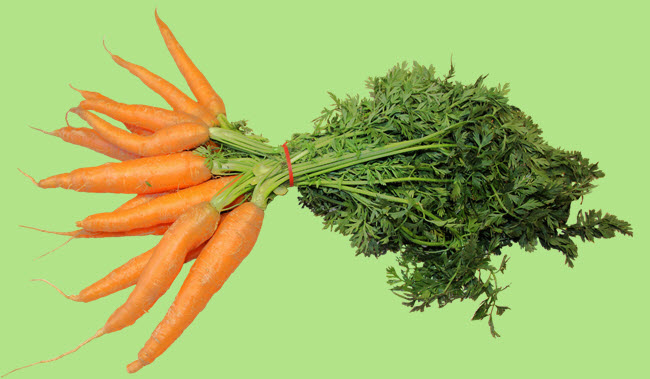
There is nothing nicer than a fresh crunchy home grown carrot. Carrots are the last thing people expect to come from a container especially if all the room you have is a balcony or patio!
You can grow them as well as you can in the garden where they take up a lot of room for a long time. The key is choosing the right type of carrot for the container you plan to use.

Ideally plan to use the shorter, stumpy varieties of carrot. While growing the longer main crop carrots in larger containers is ok, it would be more productive to use the smaller ones. I guess it is more of personal preference, though.

Carrots seeds are sown anytime of the year in temperate climates such as we have here although they do better if planted in the cooler seasons of the year avoiding the hot summers for planting. Plantings in the autumn – winter period run the risk of not rooting up. Solve that sort of issue by trying them in your area. You do need to be aware that the young tops may be prone to frost bite if frosts are severe where you live.

A soil for planting carrots in containers requires well-structured sand based potting mix. The carrots being a root crop appreciate a good soil to thrive. The use of compost is good but make sure it is well mixed through the soil to avoid the mis-shaped roots so loved by children for the ‘school morning talk’.

Carrot seed is quite a fine seed, and needs to be spread carefully about 2 cm apart. Just sprinkle on the surface of the soil if you wish and thin later when they are larger. An old trick is to sow radish with carrots, as radish mature faster than carrots. You use the radish when ready, pulling them up leaves space for the carrots to grow. Cover with seed mix allowing a cover of ½ an inch (or 1cm). Depending on the type of carrot, you have chosen it will be two to three weeks before the seedlings emerge.
Stagger your plantings so that you can provide a continuous supply of carrots for your family, as the first seedlings appear, plant another lot in another container and so on.

Keeping the soil damp at all times from planting the seed keeps growth at a steady pace.
Do not over water, as over watering can promote more leaf growth, rather than the well-grown roots you require. Should the carrots containers dry out from lack of watering, giving them a big drink is likely to cause the roots to split. Tomatoes do the same when suddenly watered after drying out. So keeping the soil damp at all times, but not wet is beneficial for you and your carrots.

As they grow to about 5” in height start thinning them. Thinning means taking out some of the plants to allow others to grow unhindered. If you choose wisely, you can pull those that will make nice eating as ‘baby carrots’. Truly yummy.

Posted in Carrots, Potatoes, Vegetables | Tagged , , , , , , | Leave a comment

Go for Geraniums

Scented Pelargonium

Scented Pelargonium

Love them or hate them my first recollections of geraniums are from schooldays and early science lessons on plants. Geraniums it seems were the perfect plant for dissecting and learning all about plants. I do not remember the lessons but I do remember clearly the awful odor of the geraniums! To this day, I still do not like the smell of some but adore the scent of others.

Geraniums come under the heading of easy to grow, fool proof and useful for plant lessons. While called geraniums the plant we know as a geranium actually comes under the name of pelargonium. The geranium is a smaller fine leaved unassuming plant with the unlikely name of Cranes bill.The main categories of the geranium family are as follows.
• Zonal pelargonium are the common, large leafed plant that we are familiar with, they have the rounded leaves with the darker color within the leaf.
• Ivy leaved pelargonium are so called because their leaves are very similar to the ivy leaf. They are the ones that trail or climb and found in hanging baskets.
• Regal pelargoniums have large flowers and fan shaped leaves. This is hardy and suitable for growing near the sea, as it withstands a salty environment.
• Scented leaf pelargonium plants, are my favourite with the scent that just happens when you brush or drive over the leaves. They are incredibly easy to grow and soften paths and driveways.
• Dwarf pelargoniums are really miniatures of the above and are a small bush plant.

Pelargonium seems to grow unaided just about anywhere that is sunny and warm. They do best under these conditions, but do grow in a semi shade if you have a small courtyard or balcony that gets some sun during the day.

Taking cuttings of geranium-pelargonium could not be easier. Select a cutting the size of a pencil in thickness. Keep the size or length of it to about 4-5inches, (10-12cm).
A suitable soil mix for striking the cuttings is 75% river sand mixed with a 25% peat mix.
I always leave a leaf or two on my cuttings as I think they still need to use photosynthesis for their growth, it also aids the movement of water through the stem, in my opinion.

After 4-6 weeks, you will see the formation of new growth on your cuttings if they have taken, for these plants there is always a high strike rate. Then just follow normal potting habits, for growing on until planting in the garden or planting in containers for display. As they grow, you can aid flowering by pinching the tops out, reducing the likely hood of a straggly plant as well. The scented pelargonium needs a good pruning in late winter or spring. Experience has taught me not to drop pruned pieces if I do not want more plants sprouting!

This plant has very few health problems, but should there be insect damage from caterpillars, aphids or red spider mites spray with Maldison or for the caterpillars, carbaryl. Enjoy growing pelargonium for the sheer variety of their flowers and leaf shapes and their adaptability in a garden or as a container plant.

Posted in Flowers, Pelargonium, Pot Plants | Tagged , , , , , , | Leave a comment

Palms in Containers

Everyone admires the exotic look of palms or yuccas that grow in pots on patio’s or the even larger ones that grow in pots on the bigger estates. Growing palms in containers long term means using the smaller palms. The dwarf fan palm (Chamaerops humilis) is a very slow growing palm that will do all you expect of it.

All palms need watering well during the growing season, but less over the winter they do not leave standing in water. Palms look stunning in conservatories, decks and patios. They are not real indoor plants, as they need a lot of light and fresh air but seem to manage reasonably well indoors in the right position. Certainly planting some of my palms outside they said thank you! They have gone on to grow extraordinarily well in the sheltered area that I planted them.

Palms grown inside will need their leaves sponged on a regular basis, as they are generally plants from warm or tropical places of the world and come from a humid atmosphere. Most of the palms that you see in homes today are most likely the junior forms of the palms. Their slow growth can be used to an advantage. Palms in pots can be a great addition to a small courtyard that is shaded for a good bit of the day. Give it the company of other pots and containers that have shade-loving plants like impatiens growing in them.

Palms grow from seed but some do have very hard outer shells that make them hard to germinate. It is probably easier just to buy the very small plants or seed that have just sprouted from nurserymen. This saves a lot of time and worry. The tiny palms are found in the clearance bins of nurseries and supermarkets. Do not expect to make huge profits quickly as their slow growth means you will be growing them on for 5-8 years until they are a suitable size to be rehomed!

Palms tolerate a certain amount of root restriction in their pots. When the roots are making their presence noticeable through the drainage holes of the container is the time to consider repotting. Repot into a pot that is between one and two inches bigger than the palms existing container. Leave the roots undisturbed as they come out of the old pot when repotting. Once you feel the palm is too big for its pot just plant out or sell on.
Palms can be attacked by scale insects; these are easily cleaned off by using soapy water, or if the plant is outside, sprayed with white oil or maldison.

Palms you may like for your containers include the kentia, fan palm, date palm or ponytail palm and Chamaedorea palm, date palm.

Posted in Pot Plants | Tagged , , , , , | Leave a comment