1. What are the most common types of planters for container gardening?
The five most popular types of planters for container gardening include wooden planters, clay pots, metal containers, plastic planters, and concrete or stone planters. Each type offers distinct advantages:
- Wooden planters: Provide natural insulation and a rustic aesthetic, ideal for patios and gardens.
- Clay pots: Porous materials that can dry out quicker than other types of materials.
- Metal containers: Durable and modern, perfect for contemporary designs, though they may heat up quickly in sunlight.
- Plastic pots: Lightweight, affordable, and versatile, suitable for both indoor and outdoor use.
- Concrete or stone planters: Extremely durable and perfect for large plants, with a timeless, high-end look.
2. How do I choose the right planter size for my plants?
Planter size depends on the type and growth rate of the plant. Plants with deep root systems, like tomatoes or small trees, need tall and wide planters, while shallow-rooted plants, such as herbs or succulents, thrive in smaller, shallower containers. Always allow 2–4 inches of extra space around the roots to ensure proper growth and prevent overcrowding.
3. Are wooden planters suitable for indoor gardening?
Yes, wooden planters can be used indoors, but it’s important to protect the wood from water damage. Lining the interior with waterproof material or using treated wood helps extend the life of indoor wooden planters. Additionally, wooden planters bring warmth and natural texture to interior spaces, making them a popular choice for indoor décor.
4. How do I maintain ceramic and clay planters?
Ceramic and clay planters are porous and can absorb water, which is good for plant health but can cause cracking in freezing temperatures. Indoors, they require minimal maintenance—just occasional cleaning to remove salt and mineral deposits. For outdoor use, consider bringing them inside during cold seasons or using frost-resistant materials.
5. Can metal planters affect plant growth?
Metal planters, such as steel or aluminum, can heat up quickly in direct sunlight, which may stress plant roots. To prevent overheating, place metal containers in shaded areas, use liners, or select planters with insulated coatings. Metal planters offer sleek, modern aesthetics and are extremely durable for outdoor use.
6. Are plastic planters durable enough for long-term use?
High-quality plastic planters are lightweight, cost-effective, and resistant to weathering, making them ideal for container gardening. However, lower-quality plastics may crack over time or fade under sunlight. Choose UV-stabilized plastic planters for outdoor use to ensure longevity.
7. What makes concrete and stone planters ideal for large plants?
Concrete and stone planters are heavy, stable, and durable, which makes them suitable for large plants like small trees or shrubs. They resist tipping in windy conditions and provide excellent insulation for roots against temperature fluctuations. Additionally, they enhance outdoor landscaping with a luxurious, timeless appeal.
8. How do I incorporate millwork into planter design?
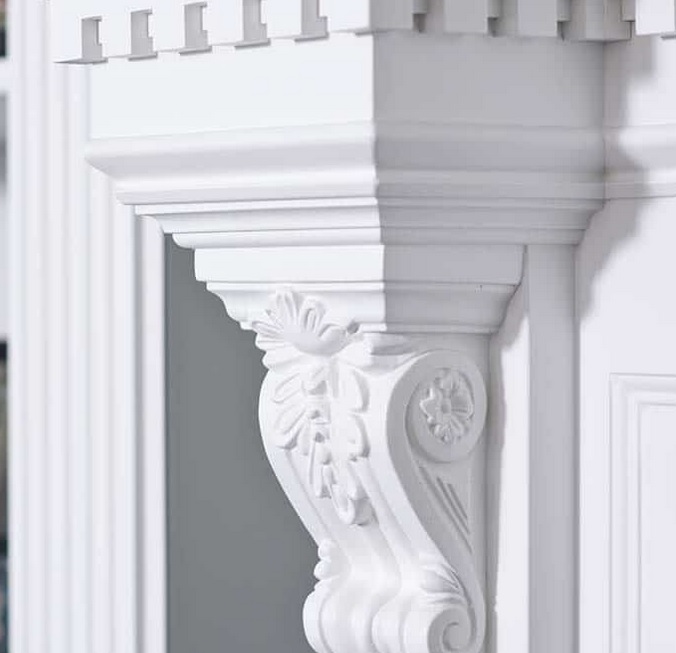
Millwork allows for custom, decorative planter boxes that can match the architectural style of a home. Wooden planters can feature trim, molding, and panels to create a bespoke look. Millwork planters are perfect for patios, balconies, or indoor living spaces, adding both elegance and structural integrity.